- +256 756 157 862
- info@eensl.com | emexengineeringndt@gmail.com
- Mon - Sat 8:00 - 17:00
EENSL specialized in the inspection consulting services for Advance Non-Destructive Testing (NDT) with a good experience in oil & gas, power generation, and manufacturing industries.
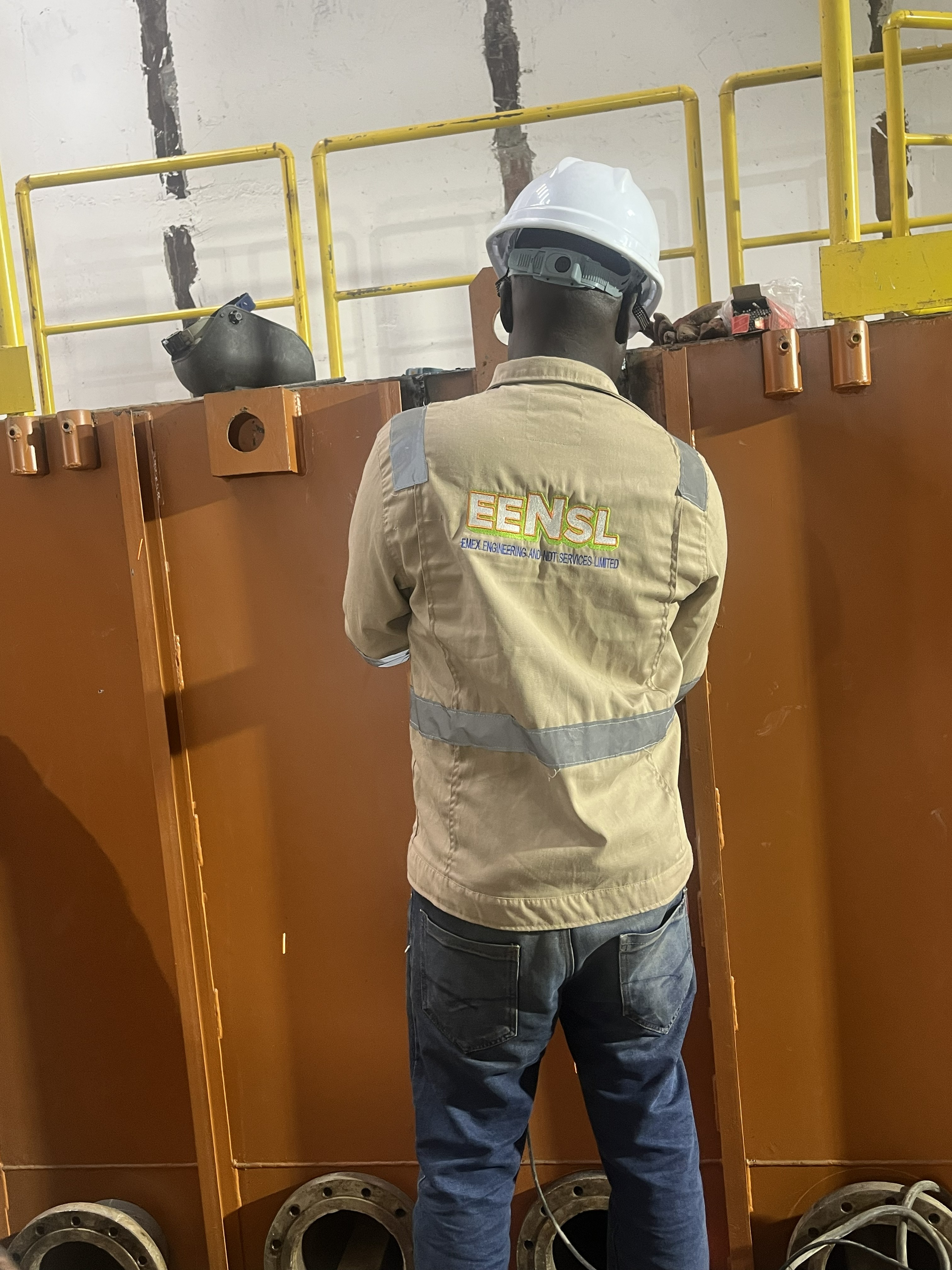
EENSL has been extensively involved in a number of mechanical projects for new installations, upgrades, and relocations of existing plants in various industries. We have both the capacity to fabricate install new and upgrade existing plants and structures both efficiently and safely.
We offer specialised NDT services for a wide range of industries including oil & gas, petrochemical, power generation, manufacturing, construction, and aerospace.
We offer a comprehensive range of non-destructive testing techniques to meet your inspection requirements
Measure the savings by adding up the true costs of conventional out-of-service inspection.
The total cost of conventional inspections are far greater than the expense of cleaning and MFE inspection. The cost of material transfer, product downgrades and tank downtime are enormous.
The hidden cost of premature repairs can be just as high. When the tank is empty, you will have to complete all repairs quickly. This usually means paying a premium for service and completing repairs that are not necessary for another five to 10 years.
Benefits:
The RTI service follows a digital inspection grid and collects more than 200,000 UT scans for computer analysis.
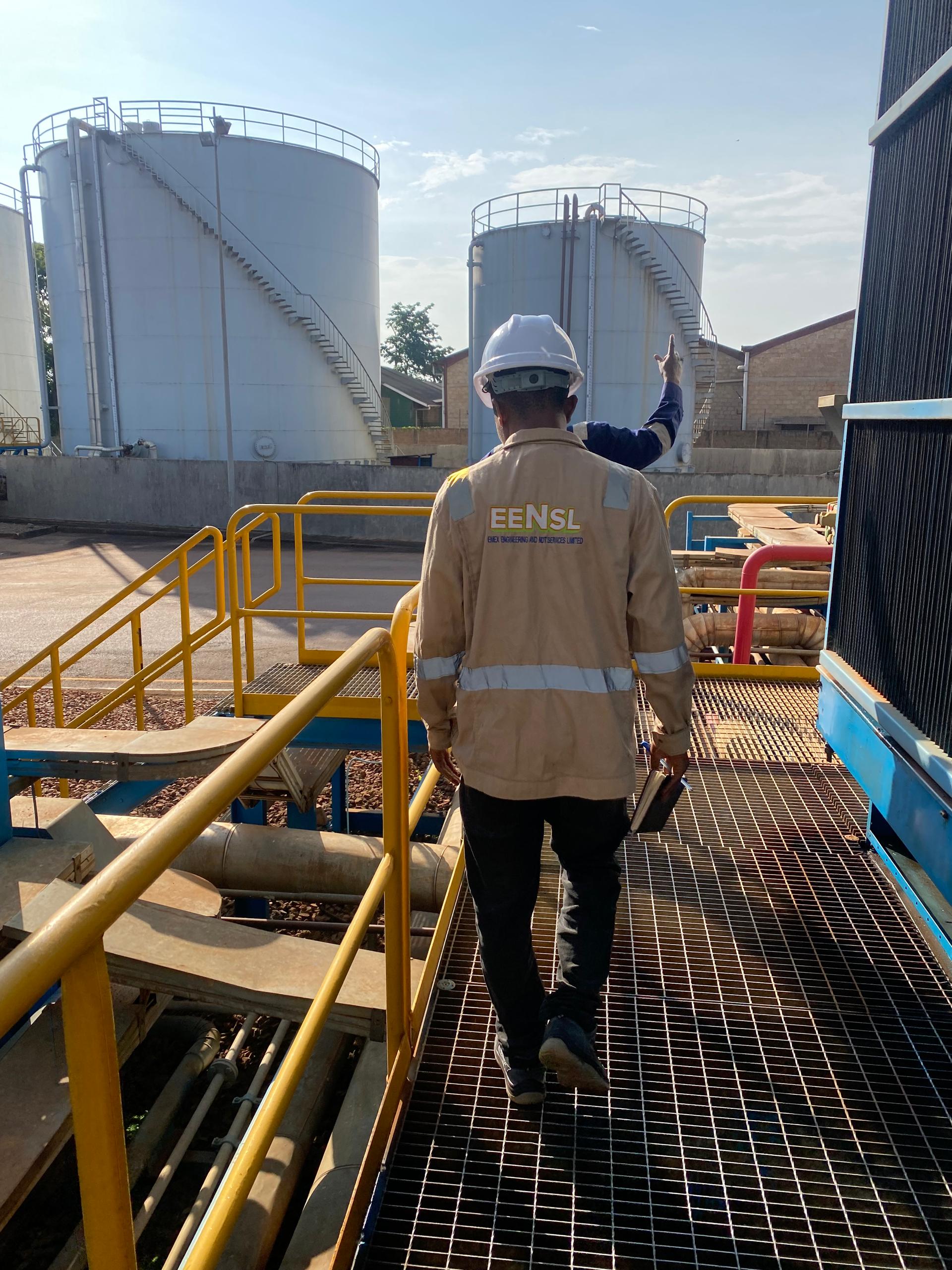
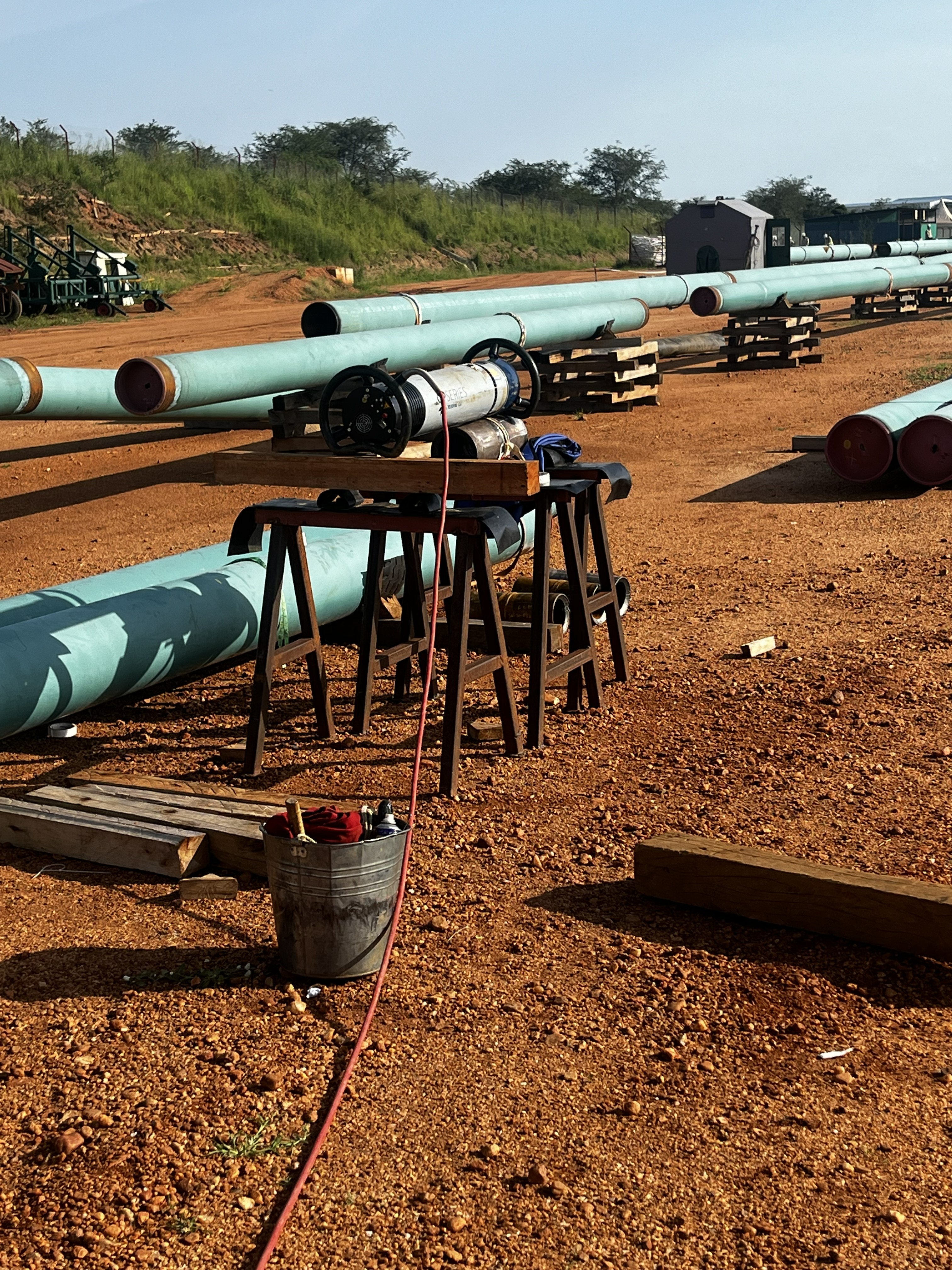
Intelligent pigging is a technique of inspection of pipelines using digital technology to understand their condition. It is widely used to gather important data, such as the presence and location of corrosion or other irregularities on the inner walls of the pipe.
Our intelligent pigging services include:
Our Dye Penetrant Inspection (DPI) service is used to detect surface-breaking defects. A dye is used to highlight surface cracks and then measured under different light sources. It is a fast, low-cost method of testing.
Generally, it is used on non-ferromagnetic materials or materials that are not magnetic and contain no iron. Occasionally, our technicians use this method with ferromagnetic materials, but more normally our team would opt to use magnetic particle inspection in these circumstances.
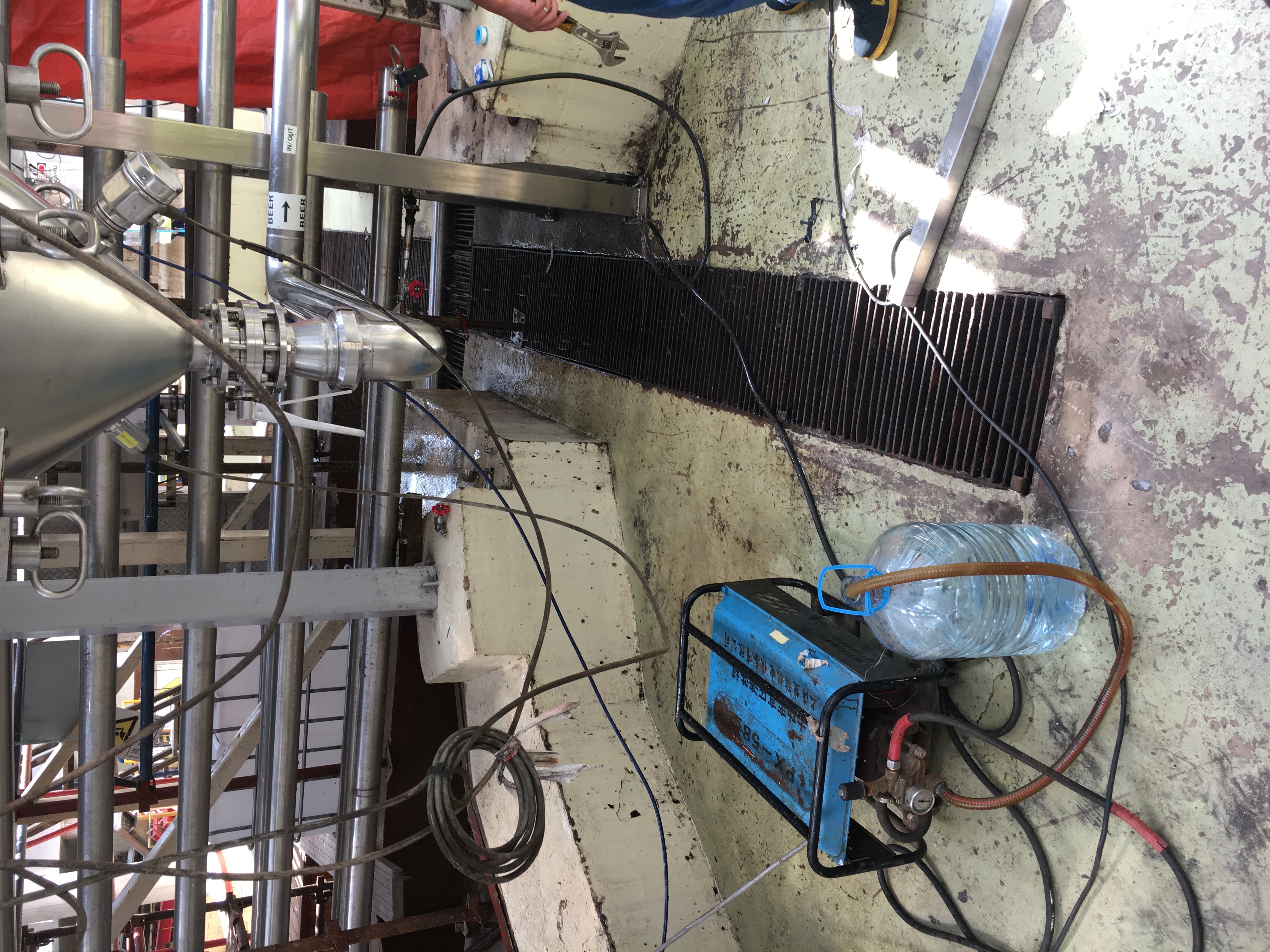
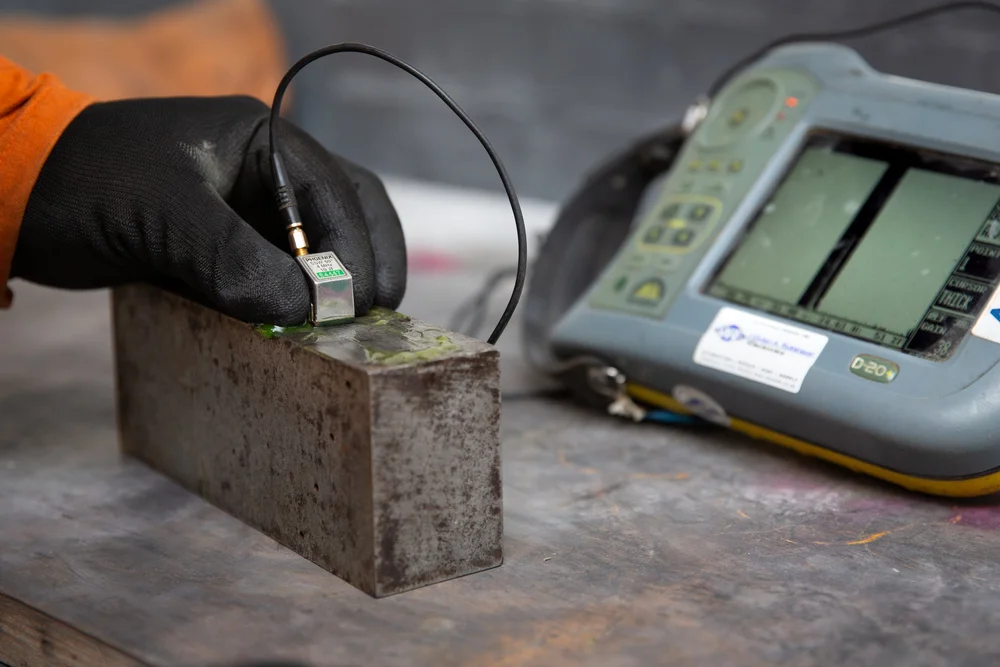
Ultrasonic Inspection (UT) uses ultrasonic waves to measure internal defects in a variety of materials. It can be used on most materials. UT can be used to detect corrosion, thinning, and internal planar defects. It also identifies cracks and voids and is useful for testing pressure vessels, storage tanks, and welds in high-pressure environments.
Features:
Phased Array (PAUT): Phased Array is a non-destructive testing method that allows for permanent records of a component's internal structure to be stored. It is portable and collects a huge amount of data, which makes it perfect for monitoring and maintenance. Unlike manual ultrasonic testing, the direction of the sound from a Phased Array probe can be moved electronically, meaning PA takes less time to perform.
Time of Flight Diffraction (TOFD): TOFD is a highly accurate ultrasonic method for sizing defects. It uses the time of flight of diffracted waves from defect tips to accurately determine defect height and position.
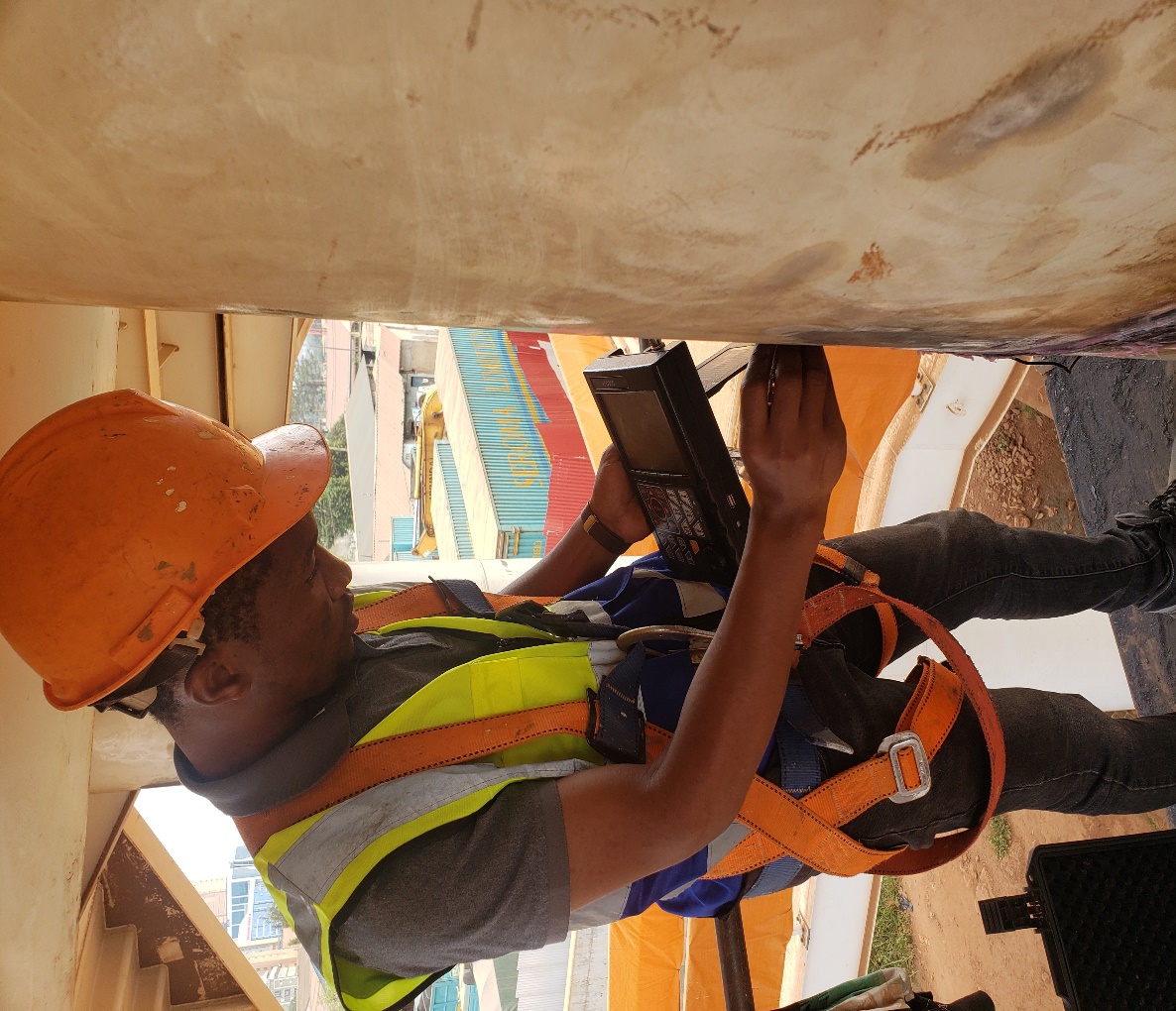
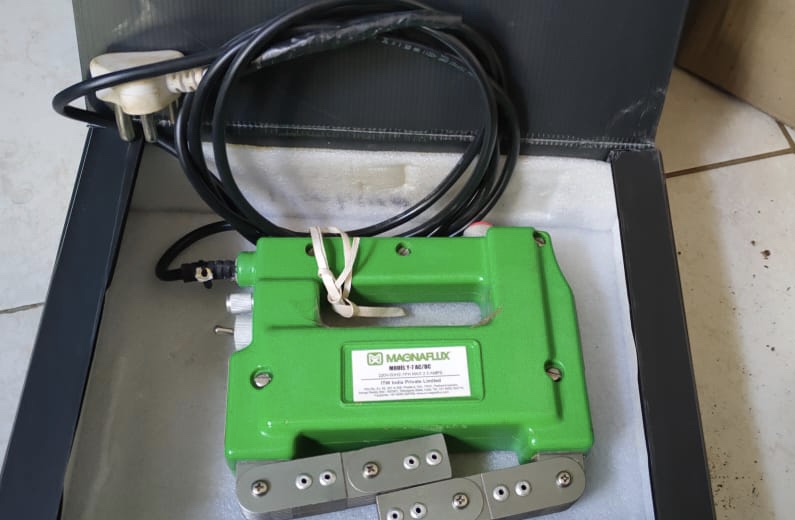
Magnetic Particle Inspection (MPI) is used to detect surface and near-surface defects in ferromagnetic (magnetic) materials. A magnetic field is generated inside the component and a magnetic particle powder is applied. The magnetic flux leaks through any defects and attracts the particles, highlighting any defects.
Features:
Gamma and X-ray radiography both use a similar process. The component to be tested is placed between the radiation source and the film (detector). The rays are sent through the component and an image is imprinted on the film. This creates a permanent record of the component's defects.
Benefits:

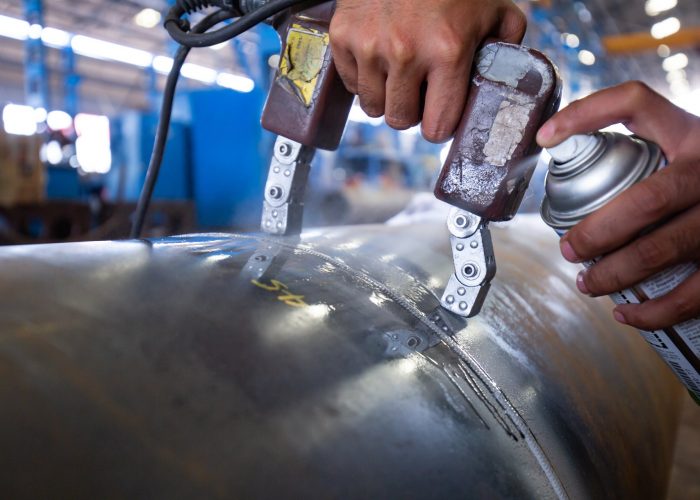
Eddy Current Inspection (EC) uses electromagnetism to detect defects on a surface. Defects cause changes in the conductivity of the material, which allows the probe to identify areas of concern. It is a portable technique that can be used on painted surfaces.
Features:
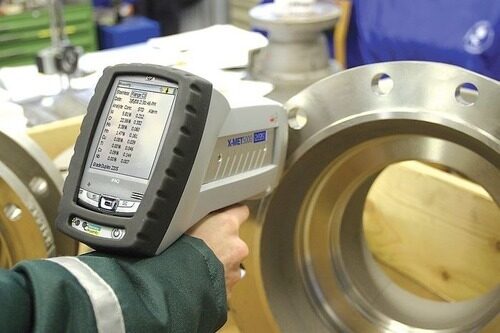
PMI is a way of identifying the different elements of any given material. In general, it is used to determine the exact components of metal alloys. This then allows for a better understanding of the strengths and weaknesses of the asset.
Techniques:
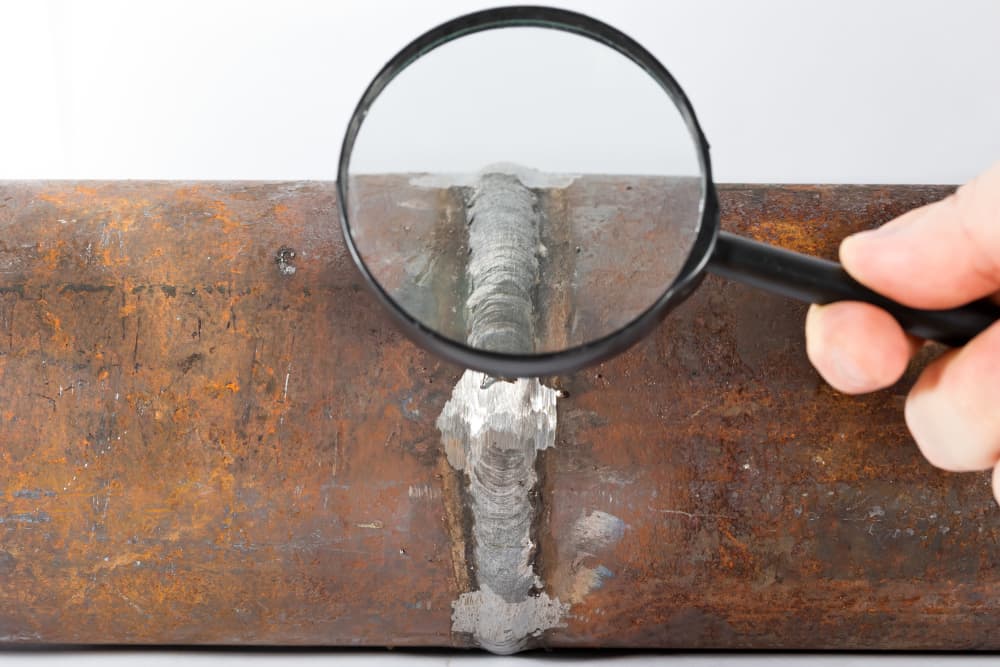
Although they may sound simplistic, visual inspections are vital to the start of the non-destructive testing process. We use a variety of methods to inspect your assets to determine areas of particular interest. Visual inspections are a good starting point for a series of inspections on a whole site or individual asset.
Technologies:
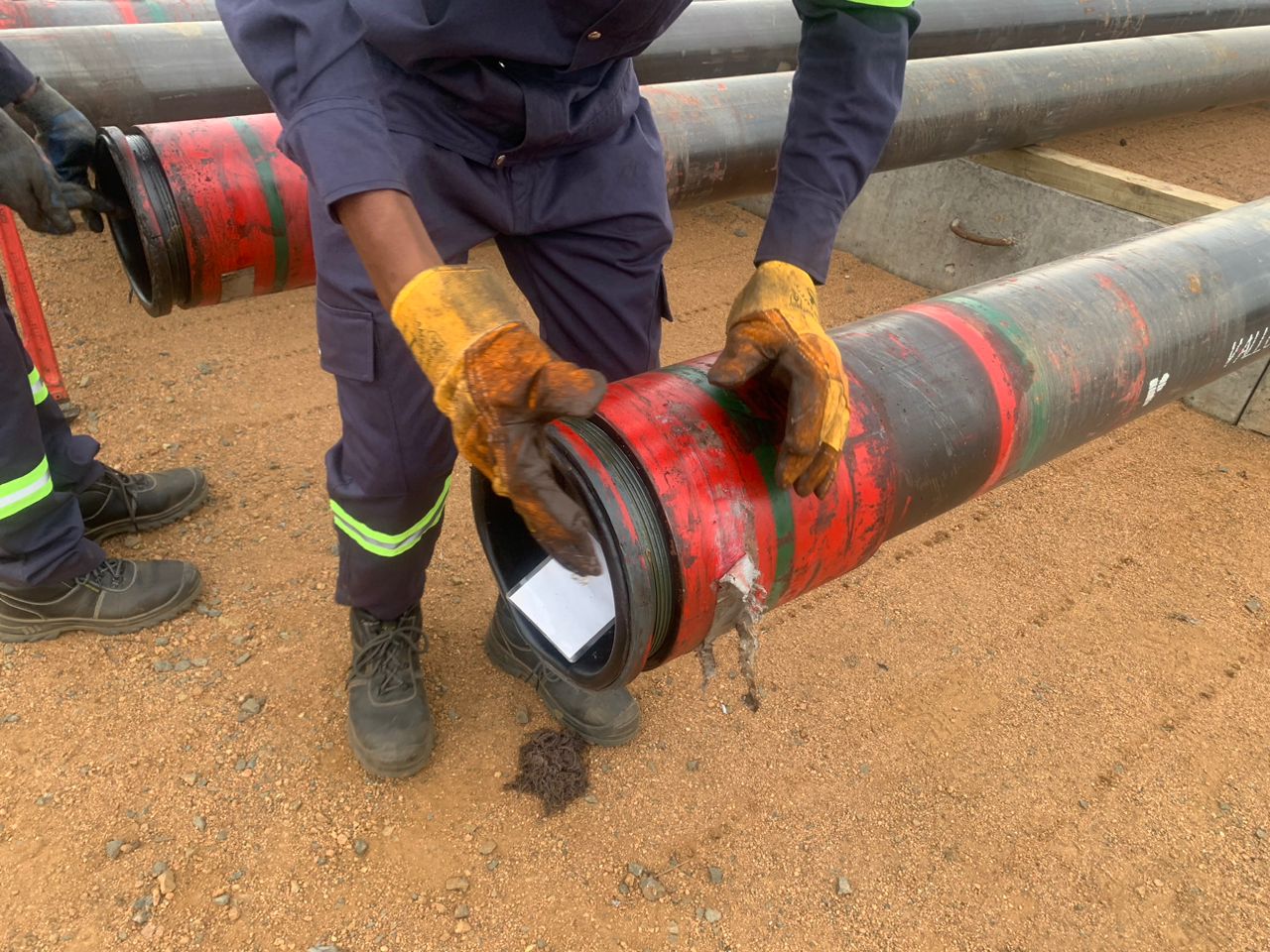
Drilling is an integral part of the oil exploration activities and as such cannot be overemphasized. Our services cover a wide range of OCTG integrity checks designed to identify possible defects on your drill stem which are the main causes of down-hole failures.
EENSL OCTG inspection division is a universal service provider for inspection, testing and certification services in an oil field industry supported by wide experienced inspection engineers and technicians.
Services include:
Pressure vessels are industrial containers designed to hold vapors, liquids, or gases at high pressure. They can be dangerous if not properly maintained. Regular inspections are a critical part of the maintenance process for pressure vessels, helping to reveal potential problems before they develop further.
Inspections are conducted following international standards including:
Inspection scope:
Welding inspection is a critical part of an overall weld quality assurance program. The activity includes much more than just the Non-Destructive Examinations of the completed weld. Welds are designed to meet certain criteria but their strength can easily be compromised by defects including cracks, voids, lack of fusion and changes in density which can lead to failure.
Our services include:
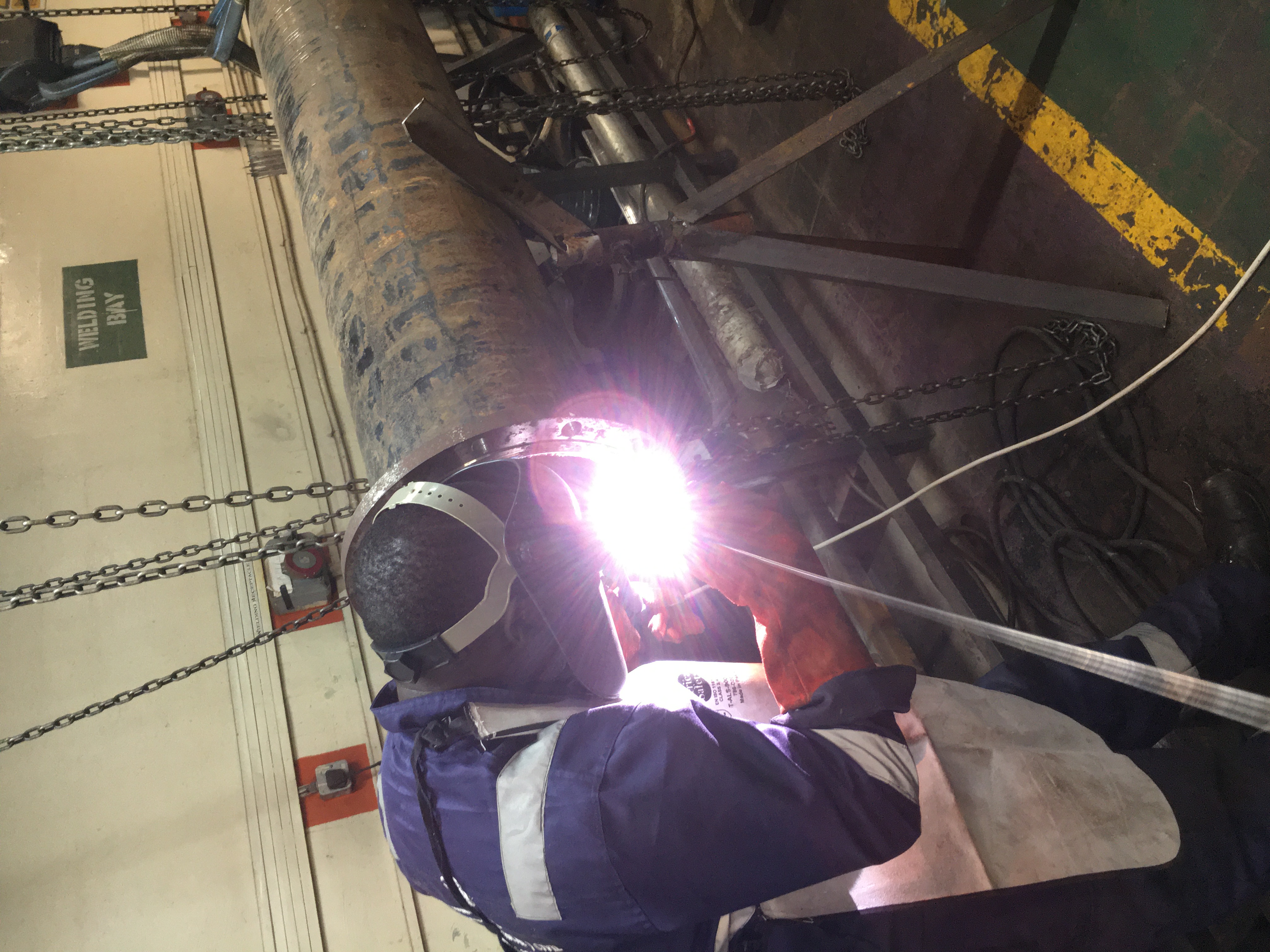
We deliver accurate, reliable and timely inspection services
ASNT Level III, ISO 9712, and API certified inspectors with years of industry experience.
State-of-the-art NDT equipment including Phased Array, TOFD, Digital Radiography and Robotic inspection.
Quick mobilization and rapid report delivery to minimize your operational downtime.
Detailed inspection reports with findings, recommendations, and digital records.
Contact us today for a free consultation and quote for your inspection requirements.